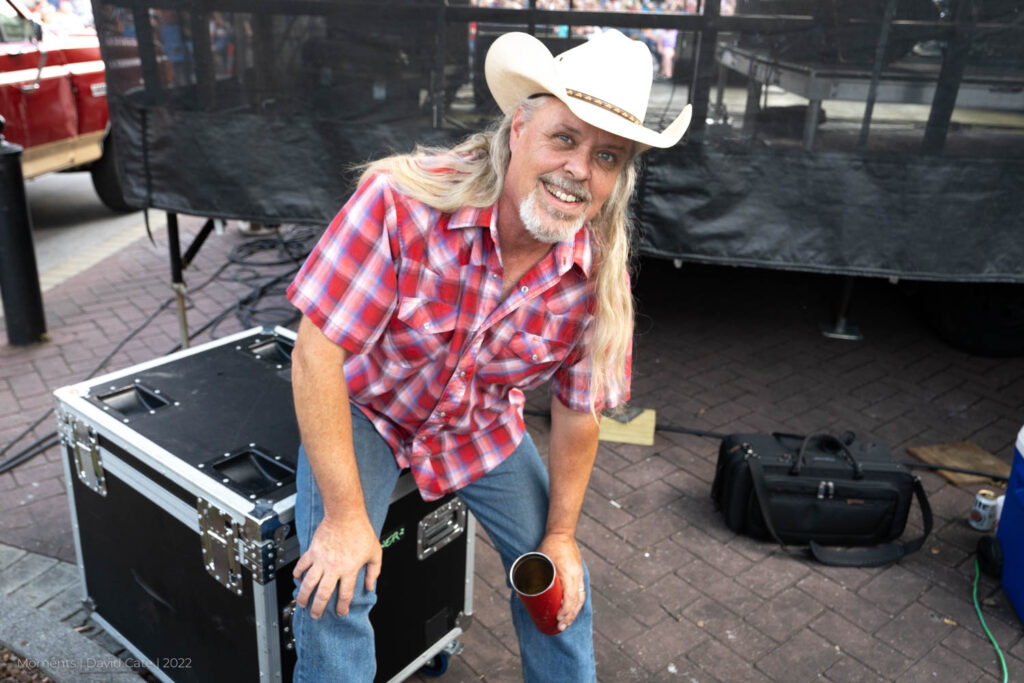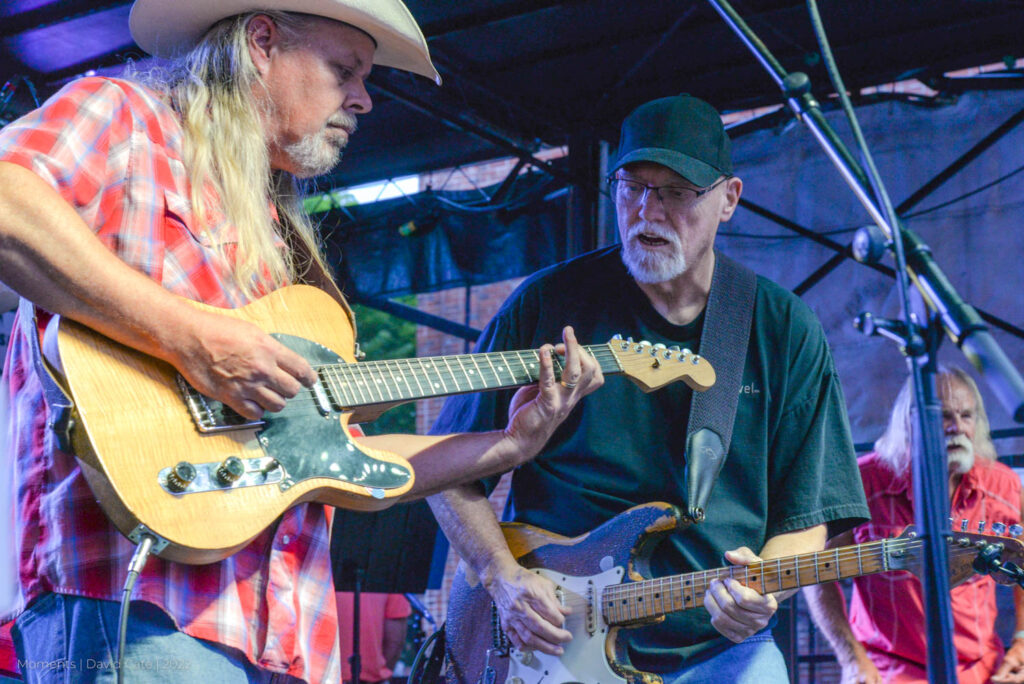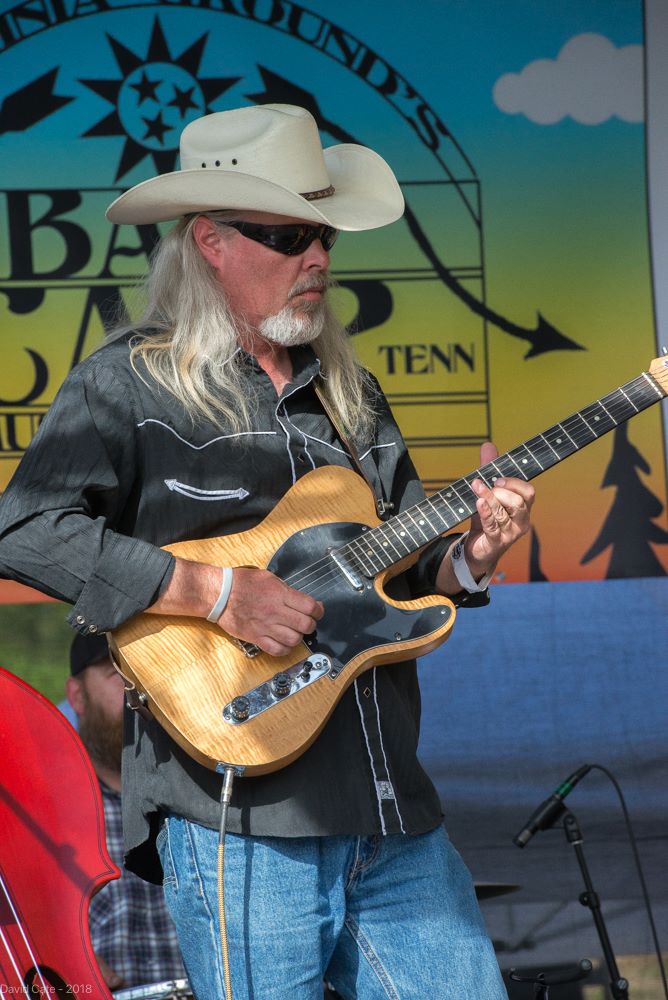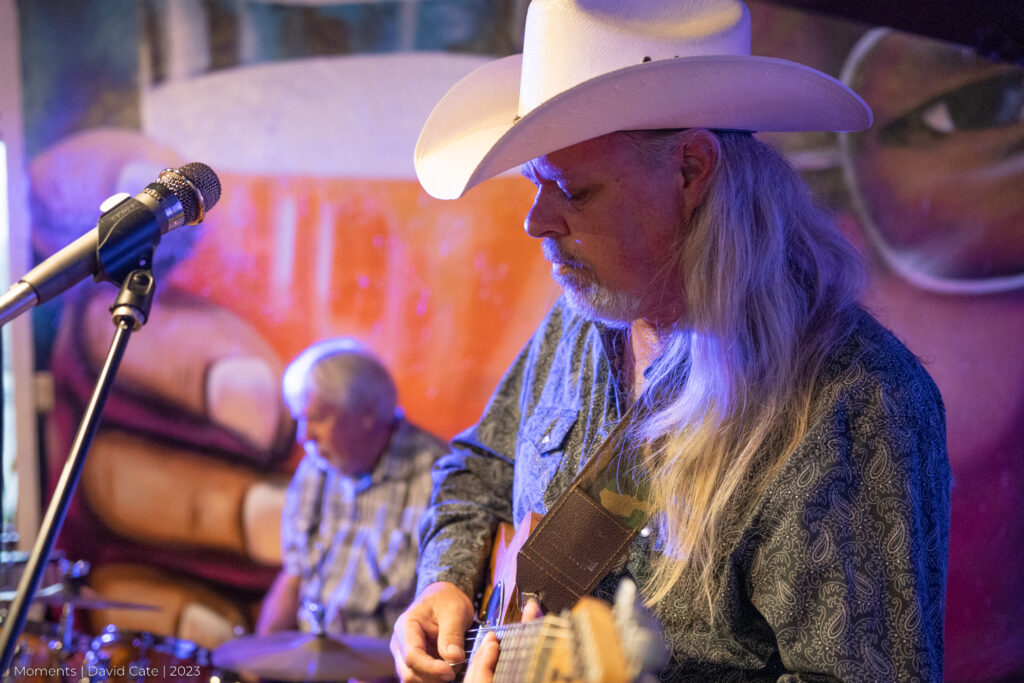
The day Quentin Horton died, the clouds hung low on a long, unseasonably warm January day. I already knew he’d been battling cancer for months. The news started moving through the music community and across social media—enough to make you worry—but my thoughts kept drifting back to the good things. That’s how I’ll always think of Quentin and his music he left us with.
The last time I saw him, he was exactly as he’d always been since the day I met him: a singer, a songwriter, and one of the finest pickers around. Humble. Funny. Devoted to his family and his friends. Nothing about him ever felt inflated or forced.
On stage, Quentin had a presence that never asked for attention, yet always held it. The hat. The Fender guitar. The quiet focus as he sang original songs that were easy to remember and honest to the place he came from. East Tennessee lived in his music—not as a pose, but as a fact.
I met Quentin back in the early ’90s when our paths crossed on the local music scene. He played solo, with Yosemite Slam, “Q” spent time in Nashville, and eventually made his way back home to perform with Quentin and The Hillbillies. Over the years, he worked with countless singer-songwriters, including Allun Cormier, Justin Mychals, Jeff Lane, Bobby Starnes, and most recently Benny Wilson. Together as Q & B, they’d play anywhere, anytime. In fact, Benny even put shows on hold so they could keep writing, producing original songs like Have a Little Faith in Me and their most recent, What Are You Waiting For.
Looking back now, it’s clear Quentin never stepped away from the music. I’m not sure it was ever about chasing a dream. It felt more like a calling—showing up, day after day, to sing a song, stir a feeling, or leave someone better off than they were before the music started.
The long hair and cowboy hat were his signature, but what stays with me most are the moments I caught in photos over the years. Wherever he played, his voice was unmistakably his own. He made it look easy. It always sounded right. There was an honesty to it—a quiet confidence rooted in East Tennessee mountain charm.
A regular at local bars and hangouts, Quentin’s songs will live on. As both a performer and a country poet, pieces like I Love This Bar, and Have a Little Faith will be sung for generations around here. They stand as a tribute to a man who leaves behind a wife, a son, a daughter, and brothers and sisters throughout East Tennessee who now carry his memory.
I didn’t know Quentin as well as I would’ve liked. In fact, I regret we never got to exchange more notes together. Moments like this have a way of sharpening that truth. But I honor his commitment—to the music, to the craft, and to the simple act of showing up. The shortness of life has a way of doing that too. It pushes the rest of us to hold on tighter to what matters.
Local guitar legend Terry McCoy said it best: “He made us look good.”
He did. And maybe that’s the mark of someone cut from an older cloth—part singer, part storyteller, carrying songs from place to place, never asking for more than the chance to play.
A troubadour isn’t remembered for chasing the spotlight, but for carrying a song from heart to heart—and leaving it better than he found it.
As a husband, father, friend, singer, songwriter, and picker, Quentin Horton’s light—and his music—will shine for a long, long time.